Crypto in 2027 is most likely to reward networks with strong liquidity, useful products, and sustained adoption, with Bitcoin and Ethereum as core assets to watch and higher risk attached to smaller projects. If you are building a watchlist, weigh each coin’s role and evidence of demand against its volatility and the chance that its narrative fades.

Your outlook should account for both market catalysts and project-level execution. A rising price alone does not show whether a network is gaining durable users, generating fees, or supporting demand for its token.
Top 10 Cryptocurrencies to Watch in 2027

You can build a balanced watchlist by tracking established networks alongside assets tied to specific areas of crypto activity. The picks below span payments, smart contracts, infrastructure, and stablecoin use; treat them as candidates for research, not automatic buys.
- Bitcoin (BTC): Track its role as the largest crypto asset and its sensitivity to institutional demand and broader financial conditions.
- Ethereum (ETH): Watch its smart-contract ecosystem, including decentralized finance and tokenized assets.
- Solana (SOL): Follow network activity and its position in consumer-facing applications and on-chain trading.
- XRP (XRP): Monitor payment-related adoption and the effect of regulatory developments on market access.
- BNB (BNB): Assess its connection to the BNB Chain ecosystem and the risks associated with concentrated platform exposure.
- Chainlink (LINK): Follow demand for blockchain data services and cross-network infrastructure.
- Avalanche (AVAX): Watch activity across its smart-contract network and projects building on it.
- Cardano (ADA): Review development progress and evidence that applications are attracting recurring users.
- Dogecoin (DOGE): Treat it as a high-volatility asset whose price can respond sharply to market sentiment.
- USD Coin (USDC): Track its role in crypto payments and trading; its stablecoin design targets price stability, not investment growth.
Use this list to compare liquidity, token supply, security, and user activity. You should also check whether a token’s utility creates demand for the token itself, rather than only for the platform around it.
Bitcoin’s 2027 Price Outlook
Bitcoin’s 2027 direction will depend on sustained demand, financial conditions, and the market’s appetite for risk. You should treat any forecast as a scenario, since shifts in liquidity or investor positioning can quickly change the outlook.
What Could Move BTC Toward a New All-Time High?
A new all-time high would require buyers to absorb available supply at prices above the previous peak. You can monitor institutional product flows, market liquidity, and whether demand continues through periods of volatility.
Macroeconomic conditions also shape Bitcoin’s price. Easier financial conditions can support demand for risk assets, while rising rates or tighter liquidity can pressure them. Regulatory clarity in the United States could widen participation by making access and compliance more predictable for financial firms.
The next halving is expected in 2028, so its anticipated supply change may influence sentiment during 2027. You should treat that as one factor among several, since market pricing also reflects current demand, expectations, and investor behavior.
Bull, Base, and Bear Scenarios for Bitcoin
In a bull scenario, strong institutional demand combines with supportive liquidity and improving market confidence. If buyers keep absorbing supply during pullbacks, Bitcoin could set a new high; a brief rally without sustained demand would offer weaker confirmation.
In a base scenario, Bitcoin remains volatile as demand and macroeconomic conditions move in different directions. You may see rallies and corrections without a lasting breakout, making position size and time horizon important to your plan.
In a bear scenario, tighter financial conditions or falling risk appetite reduce buying pressure. A rapid decline can trigger liquidations and deepen losses, especially if you use leverage. Set your risk limits before a sharp move forces a decision.
What Could Drive the Next Crypto Bull Run?
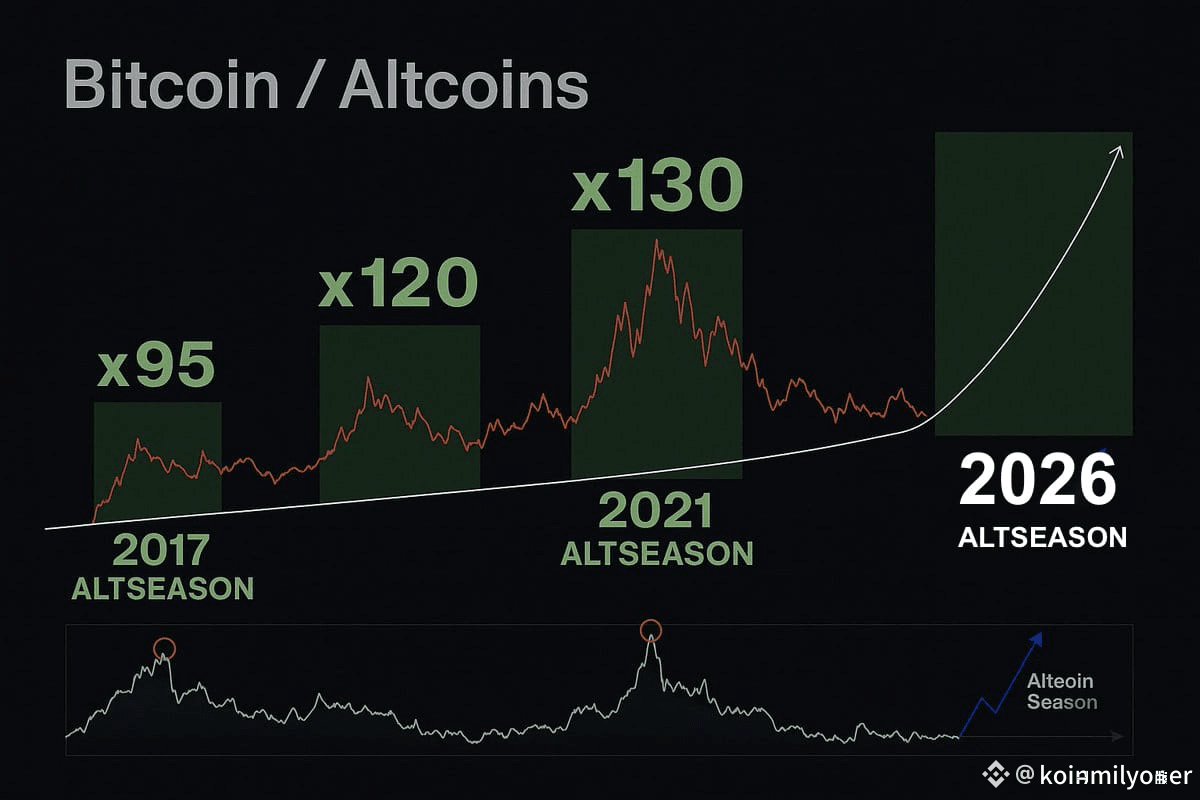
A broad crypto bull run would need both fresh capital and stronger evidence that people use blockchain products. You can track institutional access and regulation alongside liquidity, adoption, and the possibility that speculative activity outruns fundamentals.
Institutional Investment and Regulatory Clarity
Institutional participation can broaden access to crypto and increase trading activity. For you, the useful signal is sustained demand across market conditions, not a single announcement or burst of inflows.
Clearer rules could help financial firms determine how to custody, trade, and distribute digital assets. The United Kingdom, for example, opened a five-month application window ahead of a planned crypto regulatory framework in October 2027 (the UK’s planned October 2027 crypto framework). That development concerns the UK, while U.S. investors should follow U.S. law and regulatory decisions relevant to their own accounts.
Liquidity, Adoption, and Market-Cycle Risks
Liquidity affects how easily you can enter or exit a position without moving its price sharply. Thin trading, crowded leverage, and rapid changes in risk appetite can magnify price swings, particularly in smaller tokens.
Adoption gives you a way to test whether activity extends beyond trading. Look for repeat use in payments, lending, or other applications, then compare that activity with token demand. Crypto’s market mix has shifted toward products such as stablecoins, DeFi, and tokenized assets (crypto’s shift toward product-market fit).
Market cycles remain a risk even when a project has a working product. If rising prices encourage excessive leverage or valuations outpace usage, a change in sentiment can reverse gains quickly. Keep your exposure within limits you can maintain through a sharp drawdown.
How AI, DeFi, and Tokenization Could Reshape the Market
AI, DeFi, and tokenization could expand the ways you use blockchains, while creating new questions about security, ownership, and economic value. Judge each trend by the product it enables and the demand it generates, not by its label.
AI-Linked Crypto Projects
AI-linked crypto projects include networks and tools that connect automated agents with blockchain services. You should examine what the token does, who pays for the service, and whether the system has safeguards against faulty transactions or malicious instructions.
AI agents and tokenized assets could connect blockchain with on-chain trading, lending, and payments (AI agents linked with tokenized finance). That possibility does not establish that a specific token will capture value. Check whether users need the token to access the product and whether that demand can persist.
DeFi Growth and On-Chain Activity
Decentralized finance gives you access to services such as borrowing, lending, and trading through blockchain-based protocols. To assess growth, examine active users, transaction activity, fees, and the amount of capital at risk in smart contracts.
Higher activity can indicate demand, though it does not guarantee that a protocol is secure or that its token will appreciate. Review audits and incident history, along with the rules that govern withdrawals, liquidations, and protocol upgrades. Incentives can attract deposits quickly, so check whether activity continues when rewards fall.
Real-World Asset Tokenization
Tokenization represents assets or financial claims as digital tokens on a blockchain. For you, the key questions are what rights the token provides, who maintains the underlying records, and how transfers or redemptions work under applicable law.
Asset tokenization has become a strategic priority for asset managers (tokenization’s role in asset management). Federated Hermes and Prometheum plan a Q1 2027 tokenized fund debut, with U.S. broker-dealers handling distribution, custody, and clearing. Such plans point to growing institutional interest, while each product’s terms and operating structure still require close review.
How to Assess Altcoin Upside Without Overlooking Risk
You can assess an altcoin more clearly by checking its token economics, network usage, liquidity, and security before considering its growth story. These checks help you separate measurable activity from promotional claims.
What to Check Before Investing in High-Growth Projects
Start with the project’s purpose and the token’s role. Ask what users can do with the product, whether the token is required, and how the network would function if incentives declined.
Next, review the token supply and distribution. Look at circulating supply, scheduled unlocks, concentration among large holders, and any mechanisms that change supply. A low unit price by itself says little about valuation; compare market capitalization and liquidity across projects.
Check developer activity, user activity, and security practices. Read audit findings and incident reports, and verify whether the team has addressed known vulnerabilities. For newer projects, examine how much trading volume is available and whether you could exit a position without a steep price impact.
Set a position size that reflects the chance of a total loss. You can reduce concentration by limiting exposure to any one project and avoiding borrowed funds for highly volatile tokens.
Why Price Forecasts Are Not Guarantees
A price forecast depends on assumptions about demand, supply, market conditions, and future project execution. Small changes in those assumptions can produce very different outcomes, especially for assets with limited trading history.
Use forecasts as scenarios, not promises. Before acting on a target, identify the evidence that would support it and the developments that would invalidate it. If a forecast does not explain its assumptions, it offers little help with your risk plan.
Adoption Will Separate Durable Winners From Hype
You can identify stronger long-term candidates by looking for repeated product use, credible security practices, and token demand tied to a real function. Narratives can bring attention to a project, while sustained use gives you evidence to evaluate its staying power.
Compare activity over time and examine what users are doing on the network. Then check whether the token captures any value from that activity, how new supply enters circulation, and whether the project can keep operating through a market downturn. Use those checks to refine your watchlist and size each position according to the risks you can accept.