Buying WALTER Coin starts with identifying the correct token, checking its supported network, and choosing a trusted platform. Confirm the contract address from an official project channel before you pay, since similar tokens can use confusing names.
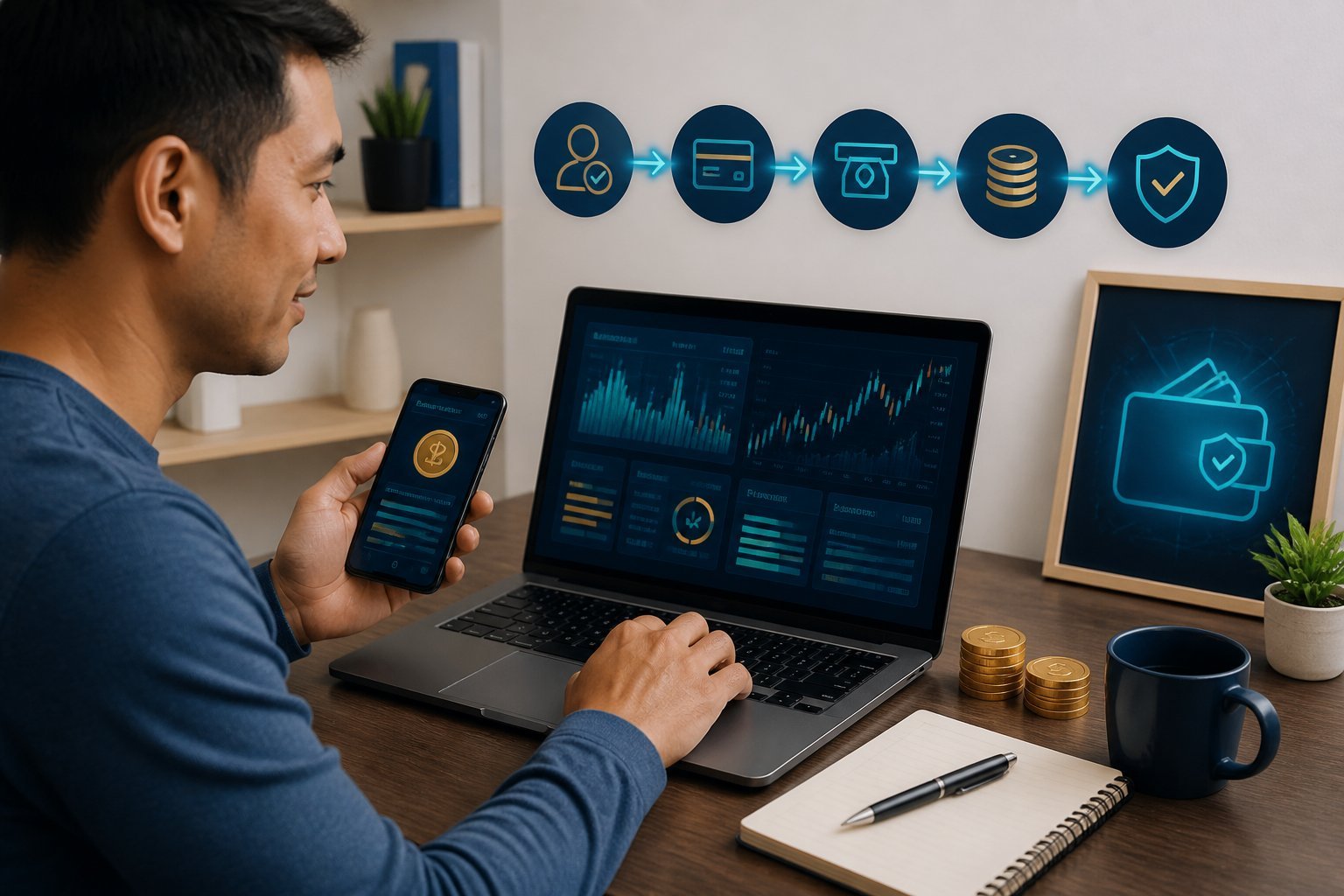
You can buy WALTER Coin by funding a trusted exchange, purchasing the required base currency, connecting a compatible wallet to a supported platform, and swapping for WALTER. This WALTER buying guide explains the main steps, while the Binance purchase guide covers an exchange-to-wallet approach.
I will also show you how to review fees, protect your wallet, verify the transaction, and manage your holdings with care. WALTER Coin remains a high-risk digital asset and may lose value.
Key Takeaways
- Confirm WALTER Coin’s network and contract address.
- Use a secure wallet and review every transaction.
- Check fees, risks, and storage options before buying.
Understand WALTER Coin
I treat WALTER as a speculative crypto asset, not a guaranteed investment. Before buying, I verify its blockchain, contract address, trading venues, liquidity, and current market data because listings and prices can change quickly.
Token Utility And Network
WALTER appears to trade mainly through crypto markets and decentralized exchanges. The WALTER exchange listings can help me identify available markets, but I confirm each listing independently before connecting my wallet or sending funds.
I first check which network hosts the token. I then copy the contract address from a reliable project or market page and compare it with the address shown by the exchange.
A matching token symbol does not prove that a token is authentic. WALTER may function primarily as a community or meme token rather than as a coin with broad utility.
I do not assume that holding it provides voting rights, access to services, staking income, or other benefits unless the project clearly documents those features. I also check whether the token has active liquidity and sufficient trading volume before placing an order.
Market pages such as CoinMarketCap’s WALTER listing can provide current figures, but I treat those figures as changeable.
Market Risks And Volatility
I expect sharp price movements because small tokens can have limited liquidity and concentrated ownership. A small trade may move the price, while a larger order may fill at several prices.
I review the spread, order size, trading volume, and pool liquidity before buying. I also check whether I can sell the token.
Some contracts include transfer limits, trading fees, or other restrictions. I use a small test transaction when practical and avoid approving unlimited spending for an unfamiliar token.
Price data can differ across platforms. For example, one listing may show little or no recent trading activity, so I do not rely on a single quoted price.
I compare the WALTER market information on CoinCodex with the exchange I plan to use. I only risk money I can afford to lose.
I never treat promotional claims, community predictions, or a low token price as proof that WALTER offers good value.
Prepare A Secure Purchase Setup
I first confirm that WALTER’s blockchain and contract address match the trading platform I plan to use. I also prepare a wallet, choose a trustworthy platform, enable account security, and fund the purchase with a small test amount.
Choose A Compatible Wallet
I use a wallet that supports the blockchain carrying the WALTER token. The search results identify WALTER as a Solana token, so I choose a Solana-compatible wallet and verify the network before sending funds.
A wallet that supports another network may not display or transfer WALTER correctly. I download the wallet only from its official website or app listing.
I write the recovery phrase on paper and store it offline. I never share it, upload it, or type it into a website claiming to offer support.
Before buying, I copy the official WALTER contract address from a trusted listing and compare it with the address shown by the exchange or DEX. I keep extra SOL in the wallet for network fees and send a small test transfer before moving larger funds.
Select A Reputable Exchange Or DEX
I check whether WALTER trades on a centralized exchange in my country. Binance’s guide states that WALTER is not listed for direct trading on Binance, but its Web3 Wallet can connect to DEXs.
Coinbase also describes buying WALTER through its decentralized trading experience, not its regular centralized exchange. I review Binance’s WALTER purchase guide and Coinbase’s availability details before proceeding.
I compare the displayed contract address, price impact, liquidity, swap fee, and network fee. I avoid links sent through social media or private messages.
I connect my wallet only to the exact DEX website I verify, and I reject token approvals that request more access than the trade requires.
Complete Account Verification And Funding
I create an account only with a regulated exchange that serves my location. I use a unique password, enable an authenticator app or hardware security key, and complete identity checks through the platform’s official domain.
I do not send identity documents through email or direct messages. I fund the account with a payment method listed by the exchange, such as a bank transfer or card, after checking the purchase fee and settlement time.
I buy the correct base asset, usually SOL for a Solana DEX swap, and transfer it to my wallet using the matching network. Before transferring, I confirm the wallet address and network character by character.
I start with a small amount, wait for confirmation, and keep records of fees and transaction IDs.
Execute The Purchase
I verify the token address, choose an amount that fits my budget, and check network fees before I approve the swap. I also confirm that my wallet uses the correct blockchain and that the transaction details match the intended trade.
Find The Official Contract Address
I find WALTER’s contract address through a trusted project channel, such as its verified website or official social account. I do not rely on search ads, random messages, or copied addresses.
A token can share a name or ticker with another asset, so the name WALTER alone does not identify the correct coin. I compare the address with the one shown by the trading platform.
Coinbase’s WALTER buying guide describes buying through its decentralized exchange experience, while a DEX requires me to paste the verified address into its token search field. I check every character before continuing.
I also confirm the blockchain. My wallet, the DEX, and the network used for the base currency must match.
Sending funds or using an address on the wrong network can make recovery difficult or impossible.
Set The Order Amount And Review Fees
I enter the amount of WALTER I want to buy, or the amount of the base currency I want to spend. I review the quoted exchange rate, estimated output, price impact, and slippage tolerance before placing the order.
A high price impact may mean that the market has limited liquidity or that my order is too large. I check each cost shown by the wallet and DEX:
- WALTER purchase amount
- Network gas fee
- DEX trading fee
- Wallet or platform fee, if listed
- Possible approval fee for a first-time token trade
I keep enough base currency in my wallet to pay the network fee. If the final token amount changes sharply, I cancel the trade and investigate instead of approving it.
Confirm The Transaction
I review the final transaction in my wallet before selecting Confirm. The wallet should show the correct network, recipient or router, spending amount, and estimated fee.
I reject any request that asks for my seed phrase or private key. Legitimate wallets do not need either one to process a swap.
After approval, I wait for the transaction to receive blockchain confirmation. I can check its status with the transaction hash in the network’s block explorer.
If the swap succeeds but WALTER does not appear, I add the token manually using the verified contract address. Binance also describes DEX-based WALTER purchases, but I confirm the exact network and contract before using any platform.
Protect And Manage Your Holdings
I confirm that the tokens reached my wallet, protect my private keys, and keep accurate records of each transaction. I also monitor the token’s value, wallet activity, network fees, and any tax rules that apply to me.
Verify Receipt And Store Tokens Securely
After buying WALTER, I check the transaction status on the correct blockchain explorer. I compare the token contract address, amount, and receiving wallet address with the details I used during the purchase.
I do not rely only on a wallet balance, because some wallets may not display new tokens automatically. I add WALTER to my wallet only by using the verified contract address.
I avoid links and messages that ask me to connect my wallet or approve an unfamiliar transaction. Before moving a large amount, I send a small test amount and confirm that it arrives.
I store my recovery phrase offline and never share it. I use a hardware wallet when practical, enable strong account security on any exchange, and keep only the funds I need for trading in a connected wallet.
I also review token approvals and revoke permissions I no longer need.
Track Performance And Tax Records
I record the purchase date, number of WALTER tokens, price paid, fees, wallet or exchange used, and transaction ID. I save receipts and export account statements regularly.
A simple spreadsheet can track my cost basis and show how much I paid in total. I review my holdings without making decisions based only on short-term price changes.
I track the token balance, current value, network fees, and any transfers between wallets. I treat transfers carefully because moving tokens between my own wallets may still require accurate records.
Tax treatment depends on my country and the type of transaction. Selling, swapping, or using WALTER may create a reportable event in some places.
I check current guidance and consult a qualified tax professional when the rules are unclear. A digital asset management guide for Singapore investors shows why careful records and regulatory awareness matter.
Frequently Asked Questions
I check the token’s network, official contract address, trading pair, fees, and wallet requirements before buying WALTER Coin. I also confirm that the exchange or decentralized exchange supports the correct WALTER token.
What is WALTER Coin and what is it used for?
WALTER is a cryptocurrency token identified by the ticker WALTER. Its purpose, blockchain, contract address, and available trading markets can vary, so I review the project’s official information before purchasing.
I also check whether WALTER has a stated use, such as community access, governance, rewards, or trading. A token’s use does not guarantee demand or value.
Where can I buy WALTER Coin safely?
I first check reputable market listings, such as WALTER exchange listings on CoinLore, to see which platforms report markets for the token. I confirm the trading pair, blockchain network, liquidity, and recent trading activity before placing an order.
Some platforms may offer WALTER through a decentralized exchange rather than their main centralized exchange. For example, Coinbase’s WALTER buying guide describes access through its decentralized exchange service.
How do I set up a crypto wallet to purchase WALTER Coin?
I install a wallet that supports the blockchain used by WALTER. I create the wallet, write down its recovery phrase offline, and never share that phrase or my private key.
I then fund the wallet with the network’s required base cryptocurrency. Before sending funds, I test the wallet address and network with a small amount because a wrong network or address can permanently lose the funds.
Which cryptocurrency do I need to swap for WALTER Coin?
I need the base cryptocurrency used by the decentralized exchange and WALTER’s trading pool. For example, a token on an Ethereum-compatible network may require ETH for the swap and network fee, while a token on another network may require that network’s native coin.
I verify the exact network and trading pair before sending funds. A wallet can display tokens with the same ticker on different networks, so the ticker alone does not identify the correct asset.
How can I verify the official WALTER Coin contract address?
I obtain the address from the project’s official website or verified social media account, then compare it with a trusted market listing such as CoinCodex’s WALTER exchange page. I check that the blockchain network and contract address match exactly.
I do not copy an address from an unsolicited message, comment, or search advertisement. I paste the address into a block explorer and check its token name, ticker, holder activity, and transaction history before swapping.
What fees and risks should I consider before buying WALTER Coin?
I check the network fee, exchange fee, wallet fee, and any price impact from low liquidity.
A decentralized exchange may also apply slippage, and the final amount can differ from the displayed estimate.
WALTER may carry risks such as sharp price changes, limited liquidity, scams, incorrect contract addresses, and failed transactions.
I use only money I can afford to lose, set a suitable slippage limit, and review every transaction before confirming it.