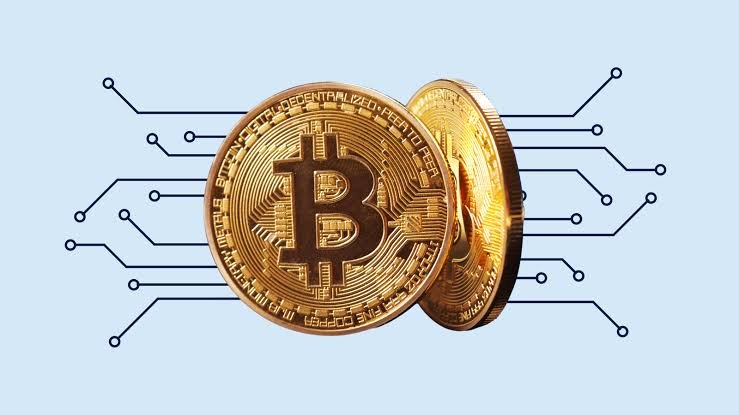
A Crypto Bull Run 2027 is plausible if liquidity expands, institutional demand continues, and Bitcoin sustains a broad market uptrend, but the calendar alone cannot guarantee a rally. You should treat 2027 as a scenario to monitor, not a date that promises higher prices.

Your outlook will be stronger when it rests on observable conditions: improving market breadth, sustained demand, and economic conditions that support risk-taking. A bull case also needs room for setbacks, including tighter financial conditions, regulatory changes, and sharp corrections.
What Could Carry a Crypto Rally Into 2027?
A rally into 2027 would need continued capital demand and supportive economic conditions, with investor enthusiasm reinforced by real use of crypto networks. You can track those drivers while treating cycle dates as context, not a reliable schedule.

How Could Liquidity and Economic Conditions Affect Crypto?
Liquidity shapes how much capital investors can direct toward riskier assets. If borrowing conditions ease and investors grow more confident about growth, demand for crypto may strengthen. Higher financing costs or a stronger U.S. dollar can put pressure on that demand.
You can watch central-bank policy, credit conditions, and the dollar alongside crypto-specific activity. Those indicators provide context, not a mechanical signal: markets can rise or fall before policy changes take effect, and crypto prices respond to many forces at once.
Institutional participation may also influence the amount and persistence of demand. For your outlook, distinguish sustained flows from short bursts of buying. A rising price supported by ongoing participation presents a different picture from a rally driven mainly by short-term speculation.
Why Cycle Timelines Are Not Reliable Forecasts
Crypto market cycles give you a framework for interpreting past behavior, but they do not set a dependable date for the next peak or recovery. Halving-related narratives, liquidity cycles, and investor sentiment can overlap, while economic and regulatory conditions change between cycles.
Treat any claim that a bull market must begin or end in 2027 as a hypothesis. You can compare it against observable evidence, such as Bitcoin’s trend, trading activity, and whether strength spreads across the wider market. A calendar-based forecast on its own gives you little information about the rally’s durability.
What Would Confirm a Sustainable Bull Market?
A sustainable bull market would show persistent demand across multiple assets, supported by market participation and economic conditions that remain favorable. You can test that case against price behavior, breadth, and risks that could interrupt the trend.

Which Market Signals Could Validate the Rally?
Start with trend persistence. A market that holds gains through pullbacks and then builds higher highs and higher lows offers a stronger signal than a brief jump followed by a rapid reversal. Check whether trading activity supports the move, and whether strength reaches beyond a handful of large assets.
Market breadth helps you see how widely gains are shared. If Bitcoin rises while many altcoins remain weak, the rally may be concentrated. If participation broadens across large and smaller assets, you have evidence of wider risk appetite, though breadth alone cannot show whether prices are justified.
You can also follow network use and activity relevant to each asset. Look for evidence that demand is tied to transactions, applications, or other measurable use. Compare those indicators over time, since one busy period does not establish a durable trend.
How Could Macro and Regulatory Risks Disrupt It?
A bull market can lose momentum when financial conditions tighten, confidence falls, or a major regulatory change alters access to crypto markets. For your 2027 outlook, account for both economic risks and uncertainty around the rules affecting crypto businesses and tokens in the United States.
A sharp increase in borrowing costs or a broad retreat from risk assets could reduce demand. Regulatory news can affect sentiment and market access, while unclear or changing requirements may complicate decisions for exchanges, firms, and investors. The impact will vary by asset and by the activity it supports.
Build these risks into your view before prices move. You can set conditions that would weaken your bullish case, such as deteriorating market breadth or repeated failures to hold key trend levels. That approach makes it easier to revise your outlook when evidence changes.
Could Bitcoin Set a New All-Time High in 2027?
Bitcoin could set a new all-time high in 2027 if demand grows enough to overcome selling pressure and broader market conditions remain supportive. You should treat that outcome as one scenario, not a forecast with a guaranteed date or price.
What Conditions Could Support a New Peak?
A new peak would need sustained demand and a market trend strong enough to absorb profit-taking. Continued institutional participation, improving liquidity, and broader investor confidence could support that case. A wider crypto rally could reinforce it, although Bitcoin can also move independently of altcoins.
You can assess the setup by watching whether Bitcoin holds gains after breakouts, how trading activity develops, and whether demand persists during pullbacks. A sudden price jump without follow-through gives you weaker evidence than a trend that survives periods of volatility.
The 2027 timeline also sits within the larger conversation about Bitcoin’s supply schedule and market cycles. Those factors can shape investor expectations, while macroeconomic events and changes in demand still influence the outcome.
How to Think About Bitcoin Price Scenarios
Use scenarios to map conditions, not to manufacture a precise target. A bullish case could include expanding demand and a sustained uptrend. A middle case could involve wide price swings without a clear move to a new high. A bearish case could follow weaker demand, tighter financial conditions, or a breakdown in market structure.
For each case, write down what evidence would support it and what would invalidate it. You can then update your view as conditions change, instead of anchoring on a single price prediction. That discipline also helps you distinguish a temporary rally from a lasting shift in direction.
Which Cryptocurrencies Could Lead the Next Rally?
Bitcoin and Ethereum are key reference points for market direction, while altcoins such as XRP and Solana may attract attention for different use cases and market narratives. You can evaluate potential leaders through their liquidity, network activity, token design, and ability to sustain demand.
How Bitcoin and Ethereum Could Shape Market Direction
Bitcoin’s price action can influence appetite across crypto markets because investors use it as a major reference point. When Bitcoin holds a strong trend, interest may spread to other assets; a sharp reversal can also put pressure on them. Watch the relationship between Bitcoin’s performance and broader market breadth.
Ethereum’s role centers on its smart-contract network and the applications built around it. You can compare its activity and adoption with its market performance to see whether demand reflects network use. Strength in Ethereum may support confidence in the wider altcoin market, though it does not ensure gains for other tokens.
What Could Set XRP and Solana Apart?
XRP is associated with the XRP Ledger and payment-related use cases. Solana is a smart-contract platform with an ecosystem of applications and digital assets. Those differences give you separate questions to examine: the sources of demand, network activity, and how each token’s role connects to its market value.
For both assets, check whether activity and adoption persist through changing market conditions. You should also account for regulatory and technical risks, along with the possibility that a strong narrative draws attention faster than durable use develops.
How to Evaluate Ten Potential Crypto Contenders
Use a watchlist to compare projects, not to assume that any token will lead the next rally. These ten assets span several parts of the market; your evaluation should focus on their network purpose, activity, liquidity, and token economics.
- Bitcoin (BTC): Track its market trend, liquidity, and role as a benchmark for crypto risk appetite.
- Ethereum (ETH): Examine activity across its smart-contract ecosystem and the demand associated with its network.
- XRP: Follow activity tied to the XRP Ledger and the payment use case investors associate with the asset.
- Solana (SOL): Monitor application activity, network reliability, and demand across its ecosystem.
- Chainlink (LINK): Assess its role in supplying data to blockchain applications and the demand for its services.
- Avalanche (AVAX): Review activity across its smart-contract network and the applications built on it.
- Sui (SUI): Track network growth, transaction activity, and the durability of demand for its ecosystem.
- Cardano (ADA): Look at application development, network use, and how those measures relate to market interest.
- BNB (BNB): Evaluate activity across the BNB Chain ecosystem and the factors driving token demand.
- Bittensor (TAO): Examine whether its decentralized machine-intelligence focus attracts sustained use and participation.
You can use the same checklist for each asset, then compare results over time. This makes it easier to separate a project’s potential from a temporary price surge.
How Could AI, DeFi, and Tokenization Shape Crypto?
AI, decentralized finance, and tokenization could influence crypto by creating new applications and sources of demand. Your assessment should focus on measurable use and the risks attached to each system.
Where Utility Could Matter More Than Hype
AI-related crypto projects may connect software, data, and blockchain-based incentives. In decentralized finance, AI models can serve as oracles or decision engines for tasks such as yield optimization and credit scoring. You can judge these projects by whether their systems perform a useful task and attract recurring users.
DeFi uses blockchain technology to enable peer-to-peer financial transactions without traditional intermediaries. When you assess a DeFi project, look at what users do on the platform, the incentives supporting activity, and the security of the contracts involved.
Tokenization brings representations of assets or claims onto blockchain networks. Adoption would depend on practical access, clear rights, and reliable infrastructure. For your outlook, distinguish deployed products and repeat usage from announcements that have yet to produce visible activity.
What Risks Could Limit Adoption?
Adoption can stall when applications offer little benefit to users, security weaknesses cause losses, or incentives fail to support ongoing activity. AI systems add questions about data quality and decision reliability. DeFi introduces smart-contract and market risks, while tokenization depends on clear legal rights and dependable operations.
You can evaluate these areas by checking whether a project has active users, transparent design, and a credible response to technical problems. Treat fast-growing activity with care if it relies on temporary rewards or speculative trading. A compelling narrative gives you a reason to investigate, while evidence of sustained use gives you a stronger basis for an outlook.
The Signals to Watch Before Committing to a 2027 Outlook
Your 2027 outlook should follow market evidence: liquidity, Bitcoin’s trend, breadth across crypto assets, network activity, and regulatory or economic changes. No single indicator can establish that a bull market will continue.
Keep a short checklist and update it as conditions change. Record what would strengthen your bullish view, what would weaken it, and how much uncertainty you are willing to accept. When prices move, compare the new evidence against that checklist before changing your position.